
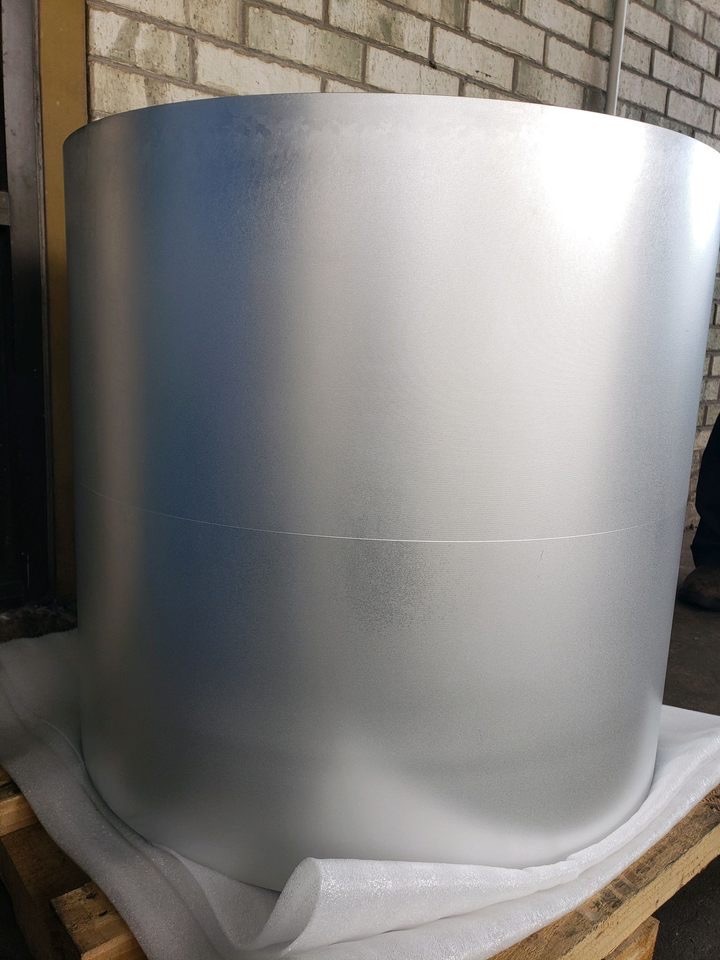
About the Process
At Del's Plating, we offer metal stripping services as both a standalone solution and as a preparatory step ahead of plating or recoating. Whether you need an existing finish fully removed or your parts stripped and replated in a single workflow, we handle the process from start to finish. Our chemical paint stripping capabilities are backed by ISO 9001:2015 certification, giving manufacturers and procurement teams in Houston and beyond a documented, quality-controlled process they can rely on for precision mechanical parts.
Why Proper Stripping Matters Before Plating or Recoating
The quality of any plating or coating job is only as good as the surface preparation that precedes it. When residual paint, oxidation, or an existing finish is left on a part, the new coating has no reliable surface to bond to. The result is adhesion failure, uneven coverage, and parts that don't meet specification -- problems that cost time and money to correct after the fact.
For industries like aerospace, medical, and semiconductor manufacturing where dimensional tolerances are tight, incomplete stripping carries additional risk. Even a thin layer of residual coating can affect part fit and function, leading to rejection during inspection or failure in the field. Chemical stripping allows us to remove existing finishes without introducing the mechanical stress or dimensional changes that more aggressive methods can cause, preserving the integrity of the base material throughout the process.
When stripping is part of a replating workflow, bringing both steps to a single facility also reduces handling risk and simplifies quality documentation -- both critical factors for regulated industries.
Our Chemical Paint Stripping Process for Mechanical Parts
Chemical stripping is the foundation of our stripping operation at Del's Plating. Unlike abrasive or mechanical approaches, chemical stripping targets the coating itself rather than the substrate, giving us a controlled, repeatable process suited to precision mechanical parts across a wide range of industries.
How Chemical Stripping Works

Chemical stripping works by immersing parts in a solution that breaks down the bond between the existing coating and the base material. As the solution acts on the finish, it lifts and dissolves the coating without requiring physical abrasion or contact that could alter the part surface. The process is controlled and monitored throughout to ensure consistent results, and our ISO 9001:2015 certified quality system provides the documentation and traceability that regulated industries require.
Part Types and Substrates We Handle
We strip mechanical parts of varying complexity, including components with tight tolerances, threaded features, and irregular geometries where uniform coating removal is difficult to achieve through other methods. Whether a part is coming to us for stripping alone or as the first step in a replating job, we evaluate each component and apply the appropriate process to ensure the finish is fully removed without affecting the underlying material.

Precision Without Compromising the Base Material
One of the primary advantages of chemical stripping is that it is selective -- it attacks the coating rather than the part itself. This matters most for components where surface condition directly affects downstream performance, such as parts destined for aerospace assemblies or medical devices. Our process removes all coating types, including paint and electroplated finishes, while keeping base material dimensions and surface integrity within specification.
Benefits of Metal Stripping
- By removing outdated coatings, new paint, plating, or finishes are more likely to attach correctly, enhancing their quality and longevity.
- Metal surfaces that have been stripped offer a blank canvas on which to add fresh paints, varnishes, or treatments.
- By removing imperfections, rust, and outdated coatings, stripping brings back the metal's original appearance.
- Enhances the final look of refinished products by producing a consistent surface.
- Stripping stops corrosion and rust, extending the metal's lifespan and halting more deterioration.
- Surfaces that are clean are less likely to deteriorate or fail due to corrosion-related problems.
- Stripped metals can frequently be recycled or used again, supporting environmental initiatives.
- To reduce their negative effects on the environment, modern stripping technologies employ fewer hazardous chemicals or mechanical techniques like blasting.
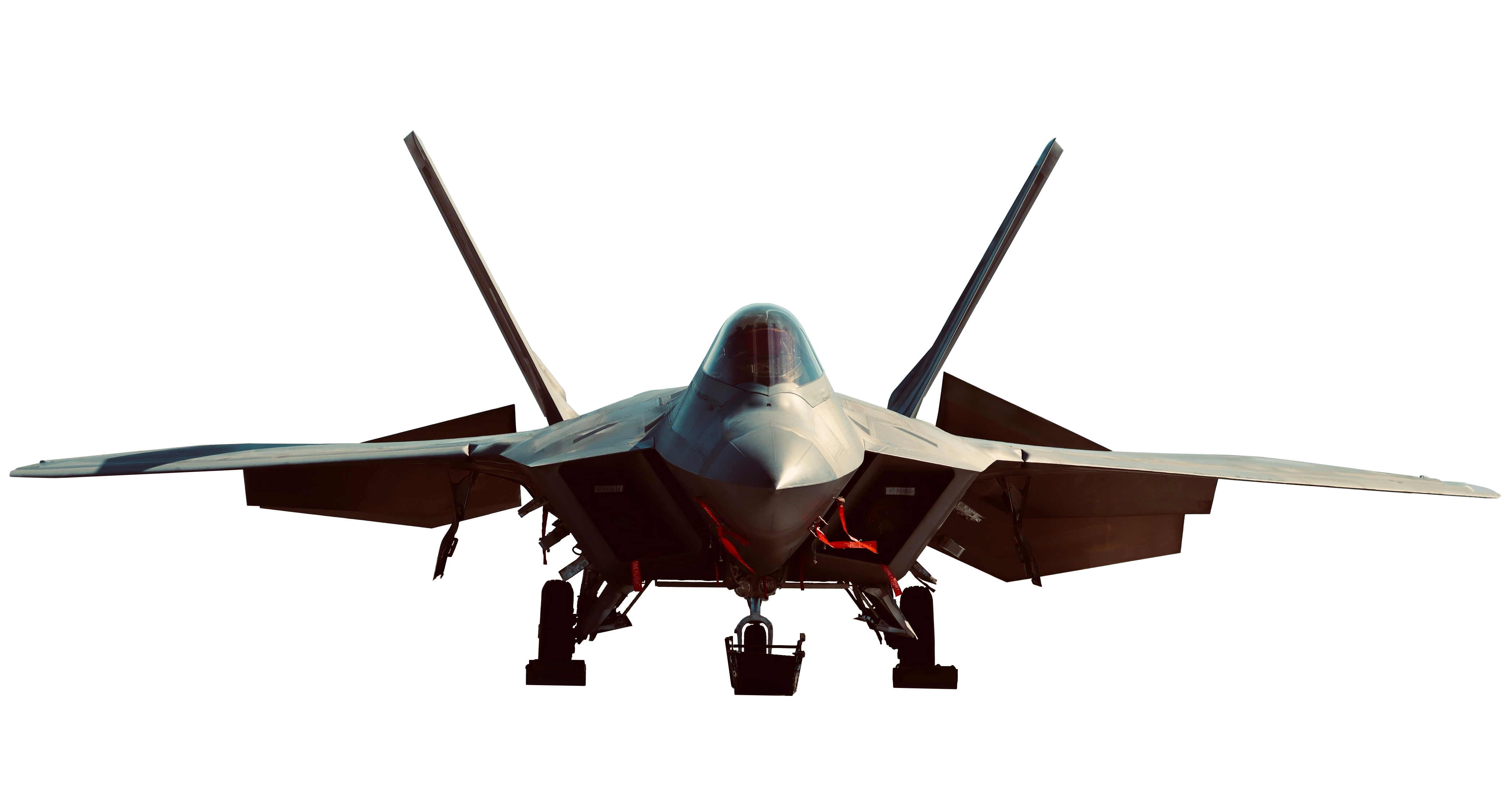
MIL-SPEC Coatings
We provide metal finishing services for most MIL-SPEC coatings. All finished parts are inspected by our quality control center to make sure the highest standards are met.


Industries We Work With
Questions?
Give us a call or send us a message and our team will contact you as soon as possible.
*denotes a required field.
- 8736 Schumacher Ln
Houston, TX 77063 - Toll-Free: (877) 311-0123
Phone: (713) 785-4955