

Our Passivation Services
Stainless steel earns its name from a thin chromium oxide layer, but machining, welding, and handling leave behind free iron and other contaminants that break that layer down.
Without treatment, those particles trigger the exact rust spots the metal was supposed to resist. Stainless steel passivation strips away that debris and lets the natural oxide layer reform, restoring corrosion resistance without touching the part's dimensions or finish. The metal goes back to doing what "stainless" promised in the first place.
Stainless Steel Passivation Removes the Embedded Iron Causing Corrosion
Embedded iron doesn't sit passively on a stainless surface. It starts a small electrochemical reaction the moment it meets moisture, and that reaction is what shows up later as pitting and discoloration.
Stainless steel passivation breaks that reaction before it starts, using a nitric or citric acid bath that goes after free iron specifically:
- Free iron dissolves into the bath almost immediately on contact
- Chromium and the other alloying elements in the base metal resist the same acid
- The surface that comes out is clear of the contamination that was driving corrosion in the first place
That selectivity is the difference between passivation and a process that strips or adds material across the board.
Specifications:
- QQ-P-35C
- ASTM A967
- ASTM A380
- AMS 2700
Six QQ-P-35C Types Let Us Match the Process to Your Exact Alloy
QQ-P-35C breaks passivation into six types, and the right one comes down to your alloy and the temperature range that alloy can handle:
- Type I: Low temperature
- Type II: Medium temperature
- Type III: High temperature
- Type IV: For steels with 0.15% or more sulfur or selenium
- Type V: Anodic, for high-carbon martensitic 440 steels
- Type VI: Low temperature, optional
We match your print to the right type before your parts ever hit the tank.
Your Part Keeps Its Exact Dimensions and Finish After Treatment
Passivation doesn't plate on a new layer or strip away base metal the way some finishing processes do. Because the reaction only targets the free iron sitting on top, tight-tolerance parts come out of the bath the same size they went in. The surface texture and finish stay exactly as machined, so there's no secondary step to match the original look.
Our Stainless Steel Passivation Services Follow Four Recognized Industry Standards
ASTM A380 and ASTM A967 govern how we run stainless steel passivation at Del's Plating Works, and we hold every batch to QQ-P-35C, ASTM A967, ASTM A380, and AMS 2700 standards without exception.
ASTM A967 sets the requirements for chemical passivation of stainless steel, ASTM A380 defines the minimum cleaning and passivation benchmarks, and AMS 2700 covers passivation for corrosion-resistant steel parts specifically.
Following all four means your parts meet whichever spec your industry or customer calls out on the print.
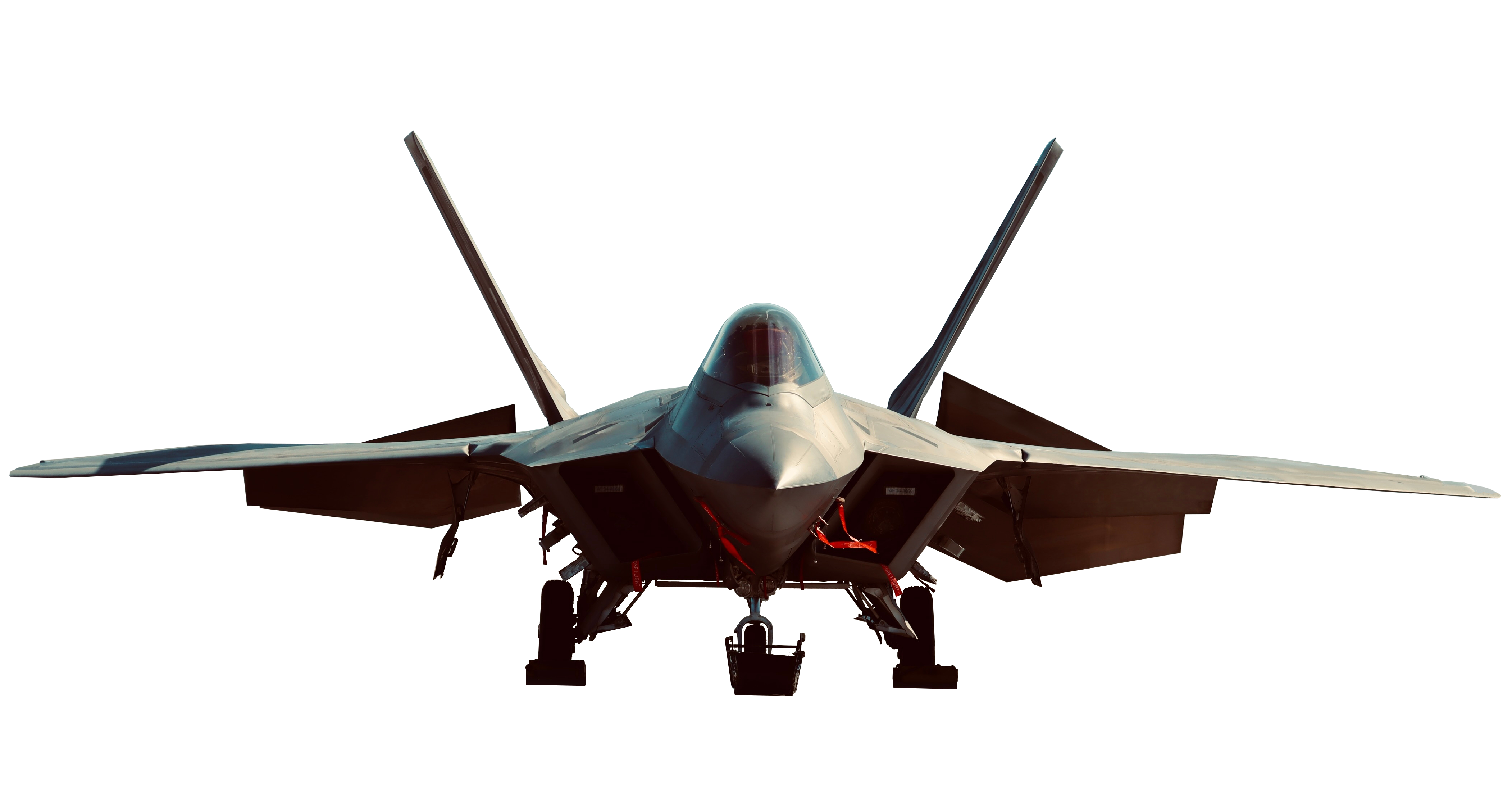
MIL-SPEC Coatings
We provide metal finishing services for most MIL-SPEC coatings. All finished parts are inspected by our quality control center to make sure the highest standards are met.
Request a Stainless Steel Passivation Quote Before Rust Spots Appear
Stainless parts don't stay corrosion-resistant on reputation alone, and skipping passivation is how rust spots show up after the part's already in service.
Send over your prints, and we'll get your stainless steel passivation scheduled before that risk becomes your customer's problem.
FAQs About Stainless Steel Passivation
No. Electropolishing removes a thin layer of surface metal to smooth and brighten it, but passivation only strips contamination, so the surface texture stays the same as it was after machining.
Testing methods like the water immersion or copper sulfate test confirm the passivation worked, and Del's documents results through our quality assurance process.
Turnaround depends on part volume and which QQ-P-35C type your parts need, so we confirm timing when we quote your job.
Questions?
Give us a call or send us a message and our team will contact you as soon as possible.
*denotes a required field.
- 8736 Schumacher Ln
Houston, TX 77063 - Toll-Free: (877) 311-0123
Phone: (713) 785-4955